Tata Motors Demerger 2025: A Strategic Breakup Unlocking Value in Commercial Vehicles
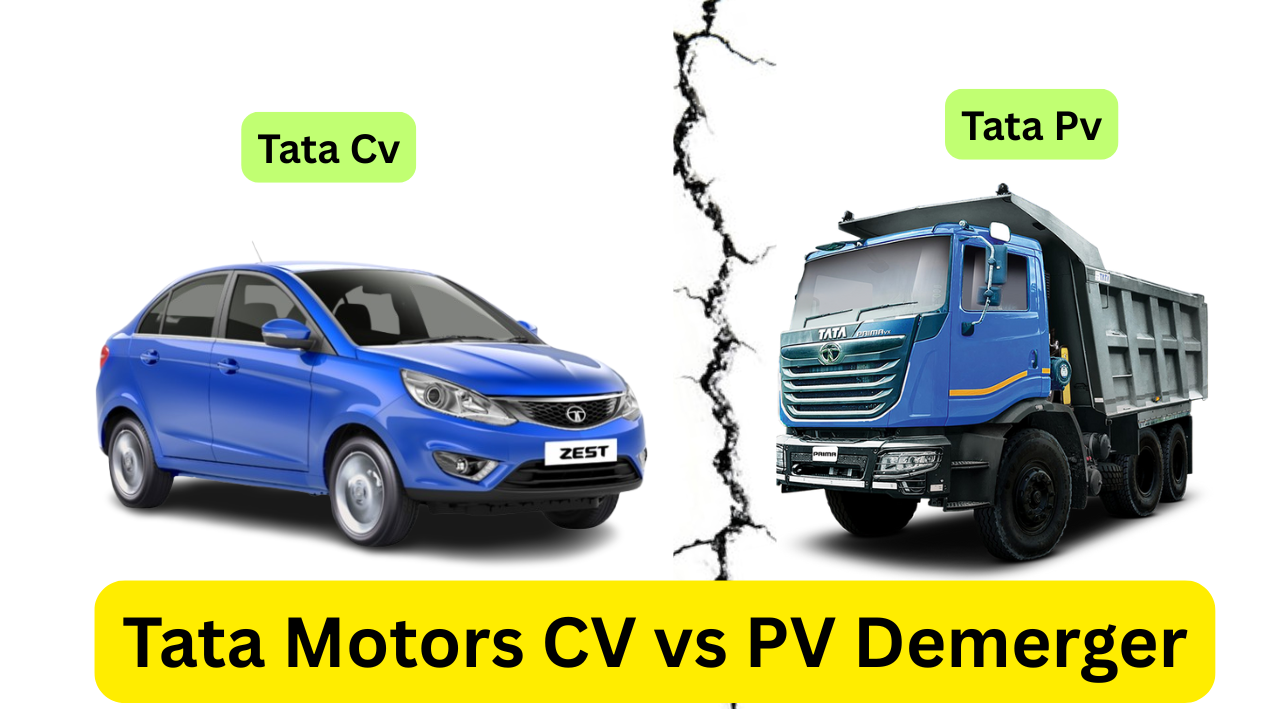
Tata Motors Limited, one of India’s flagship automotive giants, has embarked on a landmark corporate transformation with its 2025 demerger. This strategic restructuring has split the company into two separately listed entities focusing respectively on commercial and passenger vehicles. Initiated with legal effect from October 1, 2025, and shareholder entitlements finalized on October 14, the demerger is designed to unlock immense shareholder value, hone business focus, and enable faster growth aligned to distinct market demands.
Background and Strategic Rationale
The decision stems from the fundamental difference in product cycles, customer bases, investment needs, and growth trajectories between its commercial vehicle (CV) and passenger vehicle (PV) businesses. While the PV segment includes electric vehicles (EVs) and luxury brands like Jaguar Land Rover, the CV arm covers trucks, buses, cargo carriers, defense mobility, and related manufacturing units.
By creating two autonomous entities, each can now develop tailored strategies with clarity in capital allocation, operational priorities, and market positioning.
Structural Details and Shareholder Impact
The demerger resulted in two independent entities:
- Tata Motors Commercial Vehicles Ltd (TMLCV): The dedicated commercial vehicle entity, listed on November 12, 2025. This now includes the globally integrated Iveco Group, boosting the CV division’s international footprint and product range.
- Tata Motors Passenger Vehicles Ltd (TMPV): This houses all passenger vehicle operations, including EVs and the JLR luxury marque. TMPV started independent trading from October 14, 2025.
Shareholders holding Tata Motors shares as of the record date received a 1:1 share entitlement in the CV arm, preserving full ownership while unlocking separate investment opportunities in each business segment.
Notably, the CV shares listed at a premium of around 28%, reflecting strong market confidence in their distinct growth potential.
Key Advantages for Commercial Vehicles Division
- Focused Growth and Innovation: TMLCV can prioritize investments in EVs, hydrogen mobility, advanced manufacturing, and global expansion without competing for resources.
- Operational Agility: Independent management allows for faster, more relevant decision-making in a sector with very different challenges.
- Transparency: Clearer financial disclosures make it easy for investors to track performance, profitability, and capital efficiency for each segment.
- Global Reach: Integration of international businesses like Iveco cements Tata’s global ambitions in commercial vehicles.
What It Means for Passenger Vehicles
For TMPV, the demerger enables sharper focus on evolving consumer needs, especially green mobility, digital innovation, and premium product launches. The standalone entity is now channeling resources into electric vehicles, safety technologies, and brand revitalization to compete in a dynamic PV market.
Independent Business Strategies
Now, both companies are empowered to craft sector-specific strategies, from lean manufacturing in CVs to digital retailing and EV infrastructure in PVs.
Market Reactions and Industry Impact
The Indian market responded enthusiastically. Analysts, investors, and auto experts view the demerger as a game-changing step for Tata Motors, pointing to enhanced competitiveness, agility, and long-term value creation.
- CV and PV divisions now enjoy better valuations and investor following.
- Both arms pursue innovation and expansion at high speeds, unburdened by conglomerate complexities.
- India’s commercial vehicle market is forecast to grow rapidly fueled by e-mobility and infrastructure initiatives—TMLCV is well positioned.
Future Opportunities and Challenges Ahead
As global mobility evolves, Tata Motors’ demerger allows each business to tackle industry shifts head-on, from clean energy transitions to smart, digitalized manufacturing and logistics.
Challenges remain—global competition, regulatory changes, and capital intensive R&D—but focused leadership and operational autonomy give Tata’s CV and PV arms a major edge in tackling these hurdles.
Conclusion
The Tata Motors 2025 demerger stands out as a landmark transformation in Indian automotive history. By splitting into two domain-focused powerhouses, Tata Motors paves the way for innovation, global competitiveness, and enduring shareholder value growth in a rapidly evolving industry.
For More Update Vist : Maharashtratimes.in For Job Updates Visit : Mahagovjob.com